

Quick answer: A color palette (also called a seasonal palette) is the group of colors that naturally harmonize with your skin's undertone, your contrast level, and your natural coloring. Personal color analysis identifies which of the palettes fits you, so you can choose clothing, makeup, and hair color that make your complexion look brighter and more alive — without changing anything about you.
Have you ever put on two tops in the exact same style, and one just made you look tired while the other made people ask if you'd slept better? That's not in your head. That's your color palette talking.
Where the idea comes from
Personal color analysis groups colors into four broad families — Spring, Summer, Autumn, and Winter — based on three things happening in your skin, hair, and eyes at the same time:
- Temperature — is your natural coloring warmer (golden, peachy) or cooler (pink, blue-based)?
- Depth — is your natural contrast light or deep?
- Intensity — is your coloring soft and muted, or bright and clear?
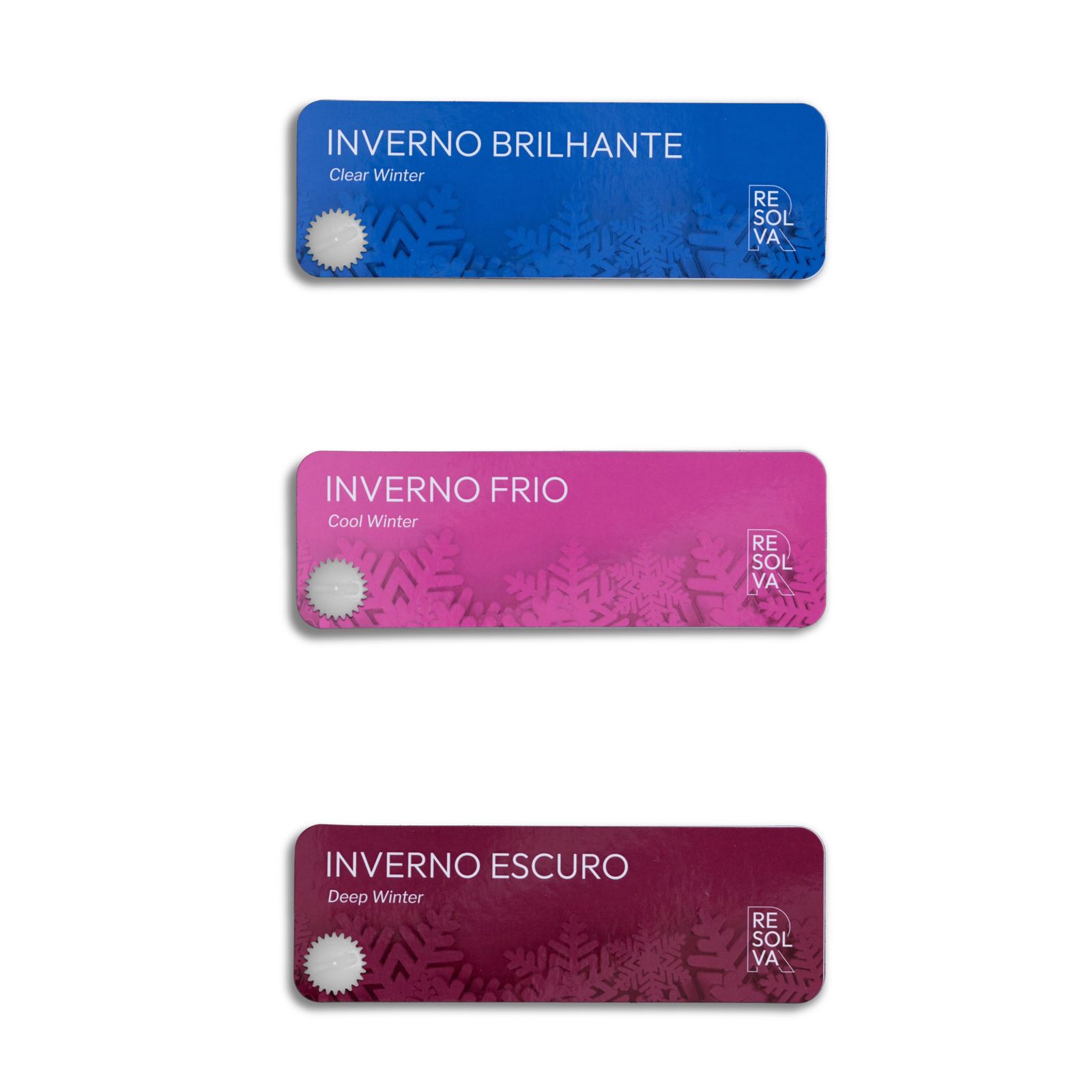
Color Craft works with an expanded seasonal method: each of the four seasons splits into three sub-palettes, for twelve total. That extra layer matters, because two people can both be "Winter" and still need very different wardrobes — one might need icy, high-contrast colors, and the other might do better in deep, saturated ones.
What a color palette is not
This is the part people get wrong most often: a color palette is not a list of colors you're allowed to wear, and it's not a list of colors you're banned from wearing. Every color exists in every palette — what changes is the exact tone. There's a green for every palette, a red for every palette, a blue for every palette. Personal color analysis isn't about restriction. It's about finding your version of any color you already love.
How it actually helps in real life
Once you know your palette, a few things get simpler:
- Shopping gets faster. You stop buying things that looked great on the hanger and wrong on you.
- Your wardrobe works harder. Pieces in your palette mix and match more easily, because they already share an underlying harmony.
- Makeup and hair color choices get easier, because the same undertone logic applies to foundation, blush, and hair dye.
How do you find out your own palette?
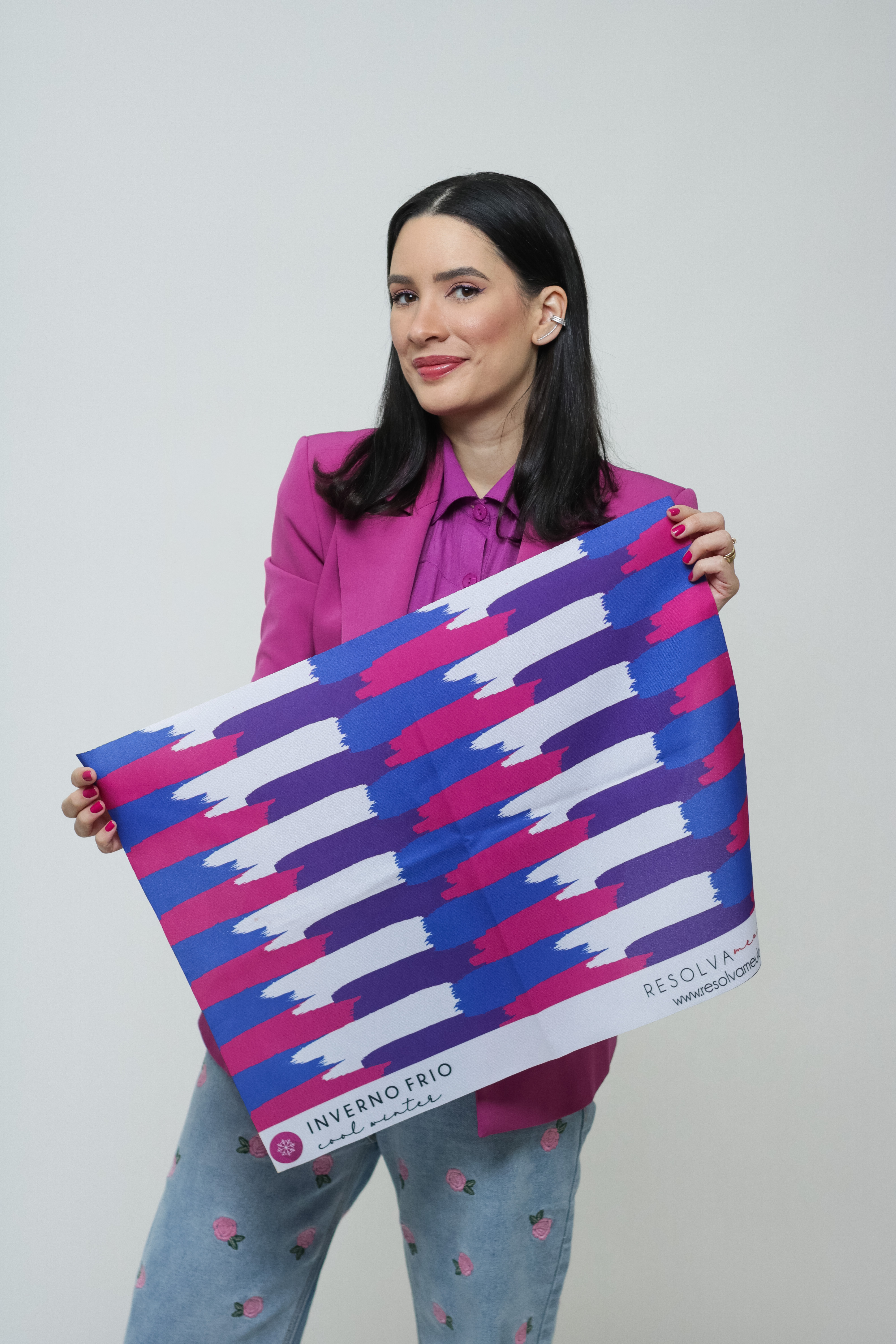
The most reliable way is a live color analysis with a trained consultant, using professional fabric drapes held against your face in neutral light — that's the only way to see how dozens of tones actually behave against your specific coloring. It's genuinely hard to do this accurately by yourself with a phone camera, since lighting and screen color throw the result off.
If you want to go deeper — either to get your own analysis or to train as a consultant yourself — Color Craft's training courses walk through the full expanded seasonal method, taught by image consultant Deh Martini, who has trained more than 5,000 consultants worldwide.
FAQ
Can my color palette change over time? No. Your palette is tied to your undertone, which doesn't shift with a tan, hair dye, or age. What can change is how confidently you use it.
Does tanning affect my color palette? Tanning adds a temporary layer of color on top of your skin — it doesn't touch your underlying undertone, which is what actually determines your palette. Most consultants recommend waiting 30 to 60 days after heavy sun exposure before a color analysis, simply so the read is clearer.
Is this the same as "warm vs. cool" undertone? Undertone is one of the three factors (along with depth and intensity) that determine your full palette — so it's part of the picture, not the whole thing.
Of course, in the end, what matters most is what makes you feel like yourself — your color palette is a tool to get there faster, not a rulebook.


