

Quick answer: The 7 universal style archetypes — Classic, Elegant, Romantic, Casual, Sexy, Creative, and Dramatic — are a core framework in image consulting for describing how a person expresses themselves through clothing. Almost no one is 100% one archetype; most people are a unique blend of two or three, and that mix is exactly what makes personal style personal.
Have you ever noticed that your closet doesn't fit neatly into one aesthetic? A tailored blazer next to a lace top, sneakers next to a structured dress? That's not indecision. That's very likely two or three style archetypes living in the same wardrobe, which is exactly how this framework is supposed to work.
The 7 archetypes
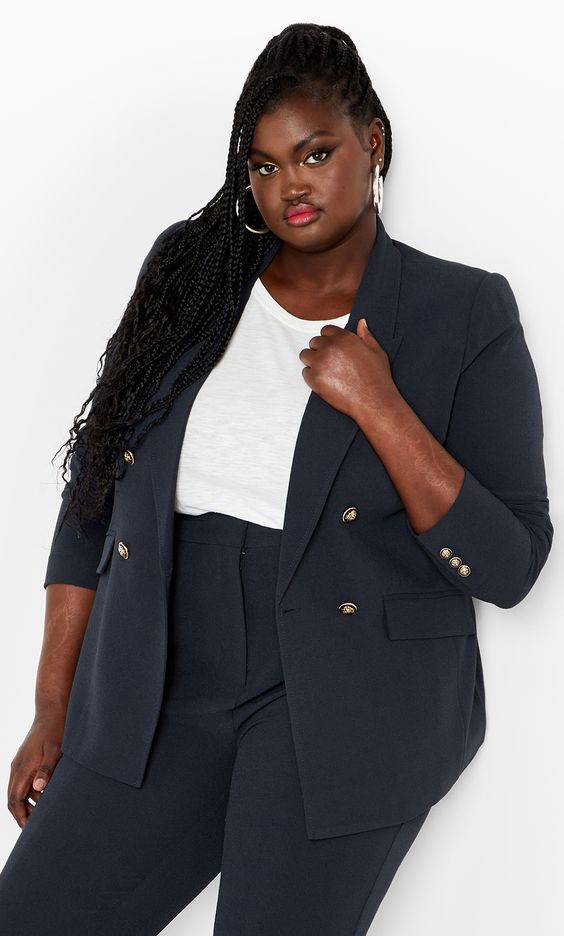
Classic — Sophisticated and timeless, built on clean lines and neutral colors.
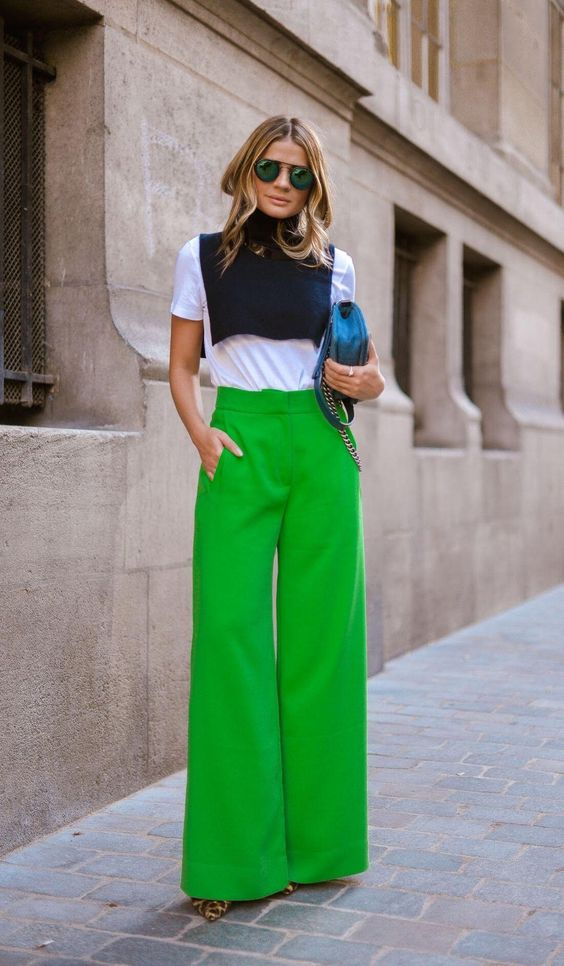
Elegant — Refined and polished, favoring high-quality pieces that read as effortlessly put-together.
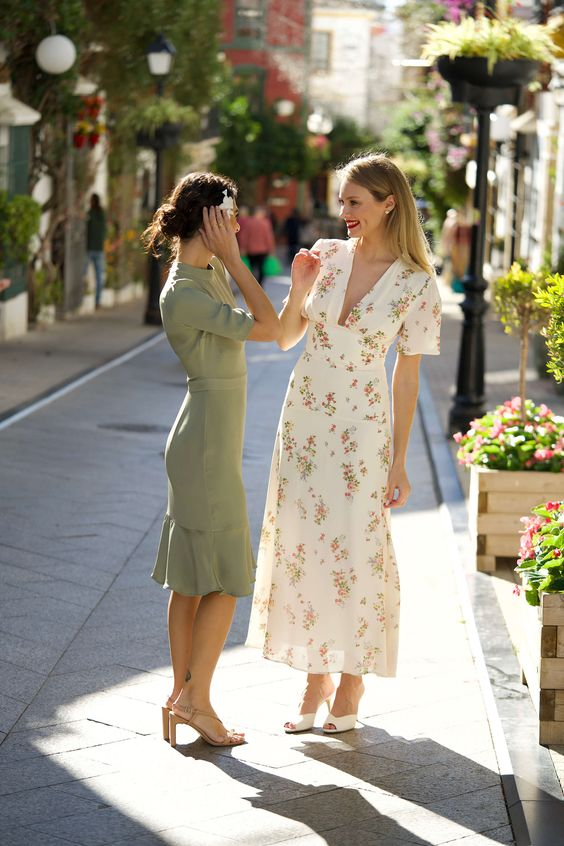
Romantic — Feminine and soft, with flowing fabrics and details like lace and ruffles.
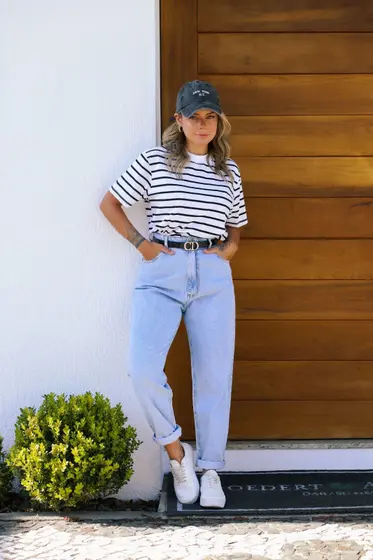
Casual — Comfortable and practical, with an easygoing, uncomplicated look. Comfort comes first here.
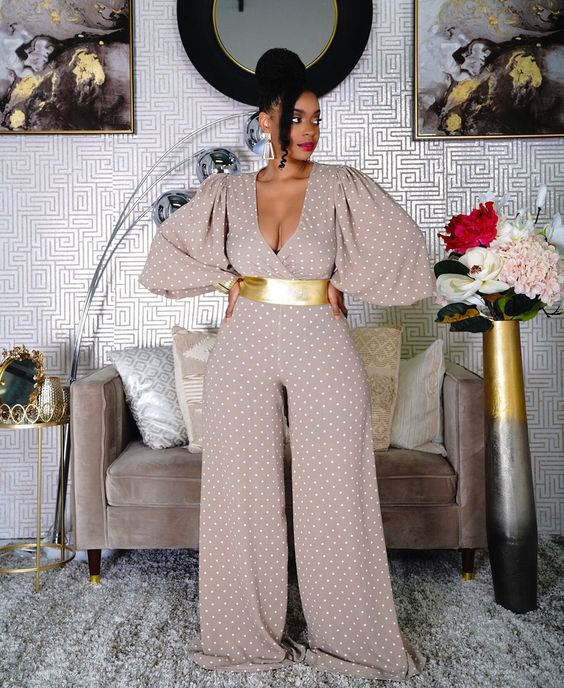
Sexy — Sensual and bold, with fitted pieces that highlight the body's shape.
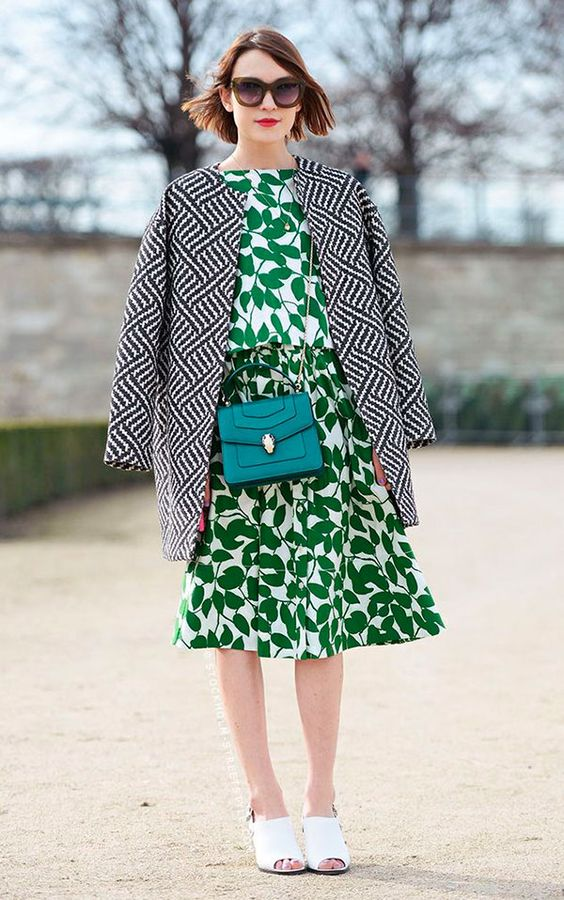
Creative — Inventive and original, with unexpected combinations and an artistic touch.
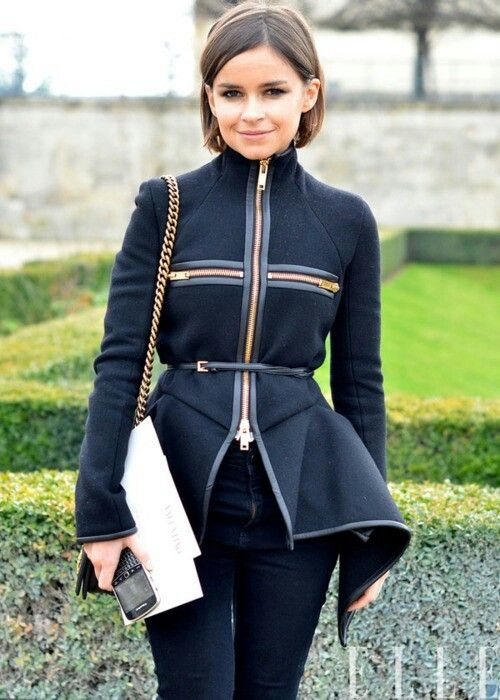
Dramatic — Striking and bold, with strong colors and structured cuts that command attention.
Why nobody is "just one" archetype
This is the part that surprises people most: the archetypes were never designed to sort you into a single box. In practice, almost everyone is a blend — maybe a Classic base with a Creative streak that shows up in accessories, or a Dramatic edge balanced by a Casual love of comfort on off days. That mix is what makes an individual's style recognizably theirs, rather than a costume borrowed from one category.
How this shows up in real wardrobe decisions
Knowing your dominant blend changes how you shop and dress with intention:
- It explains inconsistent-feeling closets. If half your wardrobe feels "you" and half doesn't, it's often because you bought pieces from an archetype that isn't actually part of your natural mix.
- It gives structure to "what should I wear today." Instead of guessing, you can lean into your dominant archetype for the occasion and add a secondary one as an accent.
- It pairs directly with your color palette. Archetype answers what shapes and textures feel like you; your seasonal color palette answers which colors support that.
Why this matters for image consultants specifically
Spotting someone's dominant style blend from the outside takes real, trained observation — it's one of the trickier diagnostic skills in image consulting, because most people can't articulate it about themselves. Learning to read it accurately, and translate it into a wardrobe strategy a client will actually keep wearing, is a core part of proper image consulting training.
Color Craft's training courses, developed by image consultant Deh Martini, cover the full style-archetype framework alongside personal color analysis — the two together are what make a complete image consulting toolkit.
FAQ
Can my dominant style archetype change over time?
Yes — unlike your color palette, which is fixed to your undertone, style preference can shift with life stage, career, and confidence. A style consultation captures where you are now, not a permanent label.
How many archetypes can one person realistically blend?
Most people read as a primary archetype plus one or two secondary influences. A wardrobe trying to express five archetypes at once usually starts to feel scattered rather than personal.
Is one archetype "better" or more professional than another?
No — all seven show up in professional settings. The goal isn't picking the "correct" one; it's dressing in the blend that's actually yours, adapted to the occasion.
Whichever combination turns out to be yours, the goal was never to fit a box — it's to finally have a name for the style you were already leaning toward.


