

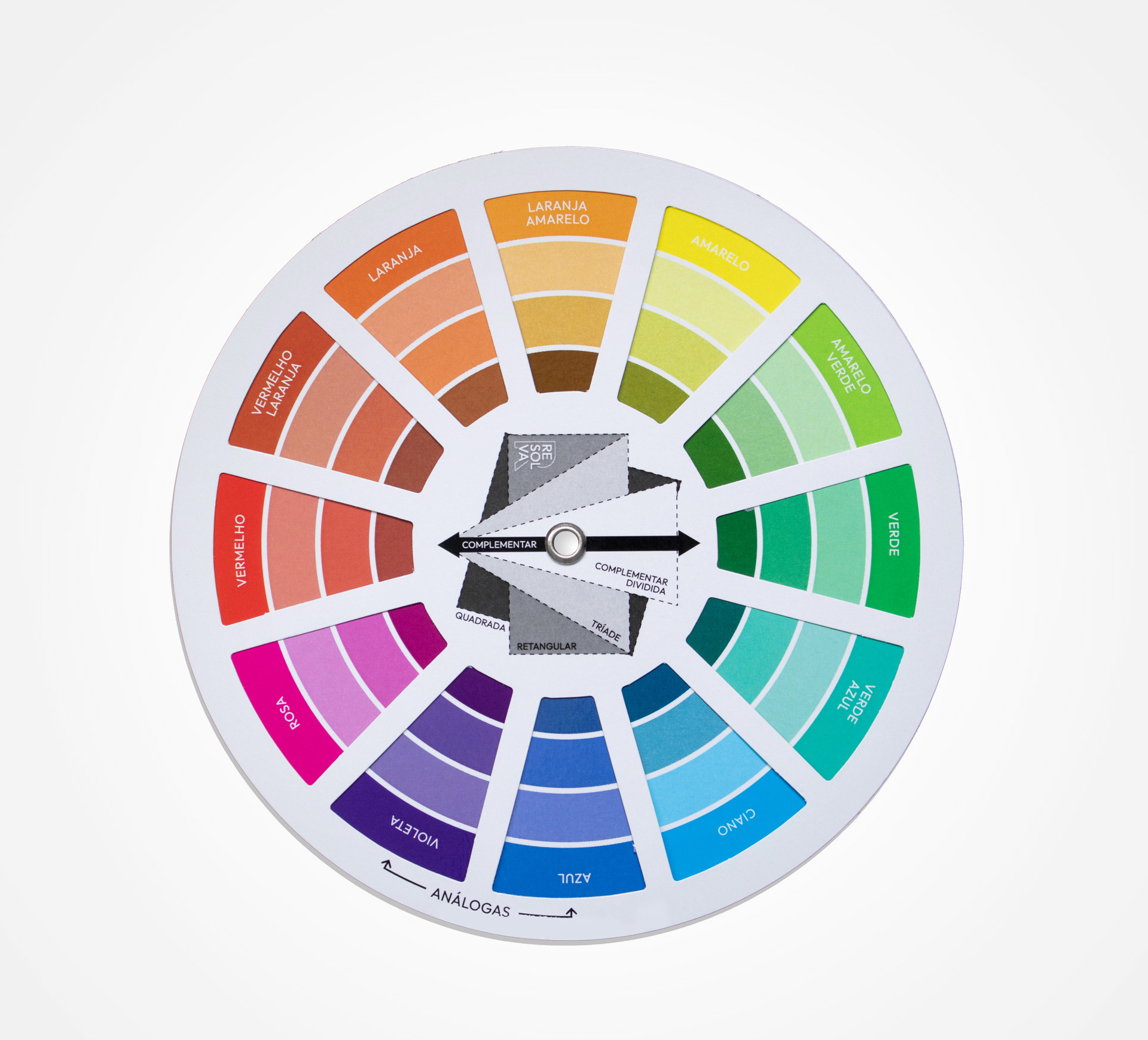
Quick answer: A color wheel is a circular diagram organizing primary, secondary, and tertiary colors by relationship. Personal stylists and image consultants use it to build reliable color combinations — monochromatic, analogous, and complementary — and to explain to clients why certain color pairings work, rather than relying on guesswork.
The color wheel looks simple, but it's the single most useful tool for taking the guesswork out of building an outfit.
The basic structure
- Primary colors — red, blue, and yellow, the base colors that can't be mixed from others.
- Secondary colors — green, orange, and purple, made by mixing two primaries.
- Tertiary colors — the in-between shades made by mixing a primary and an adjacent secondary.
Why stylists actually use it
Rather than guessing whether two colors will look good together, the wheel gives you a repeatable system: certain positions on the wheel reliably produce harmony, and knowing them means you can build a combination with confidence before you even try it on.
The three combinations worth knowing
- Monochromatic — different shades and tints of a single color. Safe, elegant, and easy to build a whole outfit around.
- Analogous — colors that sit next to each other on the wheel (like blue and green). Naturally harmonious, low-risk.
- Complementary — colors directly opposite each other on the wheel (like blue and orange). Higher contrast, more visually striking, best used with one color dominant and the other as an accent.
Where your color palette fits in
The color wheel tells you which combinations are harmonious in general. Your personal seasonal palette then tells you the specific shade of each color that actually flatters you. Used together, they let you build combinations that are both structurally sound and personally flattering.
Color Craft's training courses and our Professional Color Wheel tool cover this exact framework in depth.
FAQ
Do I need to memorize the whole color wheel?
No — most stylists keep a physical or digital wheel on hand rather than memorizing every relationship. Knowing the three main harmony types is what matters most.
Which combination is safest for beginners?
Monochromatic and analogous combinations are the most forgiving — complementary pairings take a bit more practice to balance well.
Does the color wheel apply to makeup too?
Yes — the same harmony principles apply when pairing eyeshadow, blush, and lip color.
The wheel won't tell you which shade is yours — that's what your seasonal palette is for — but it will tell you which combinations are worth trying in the first place.


